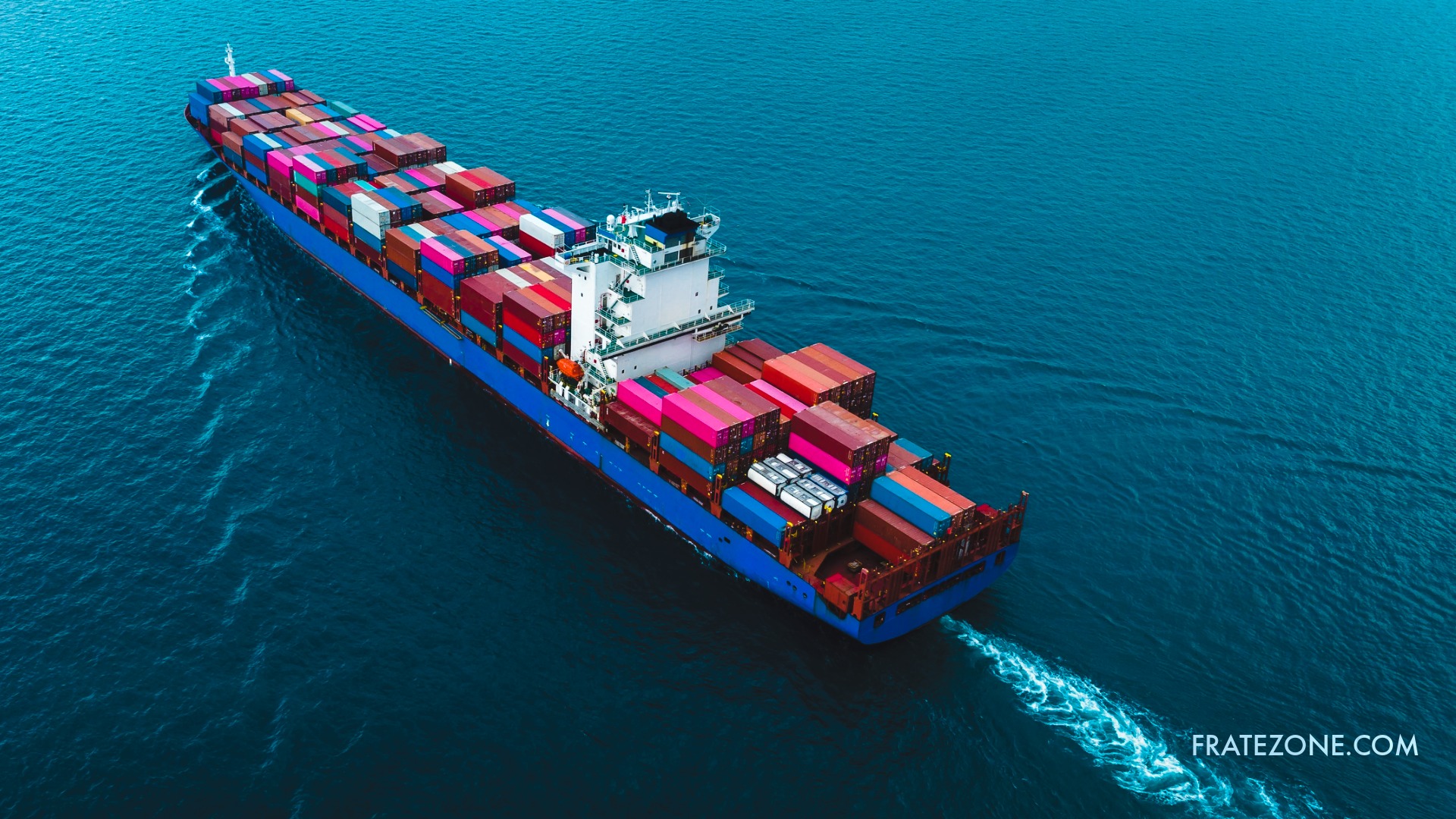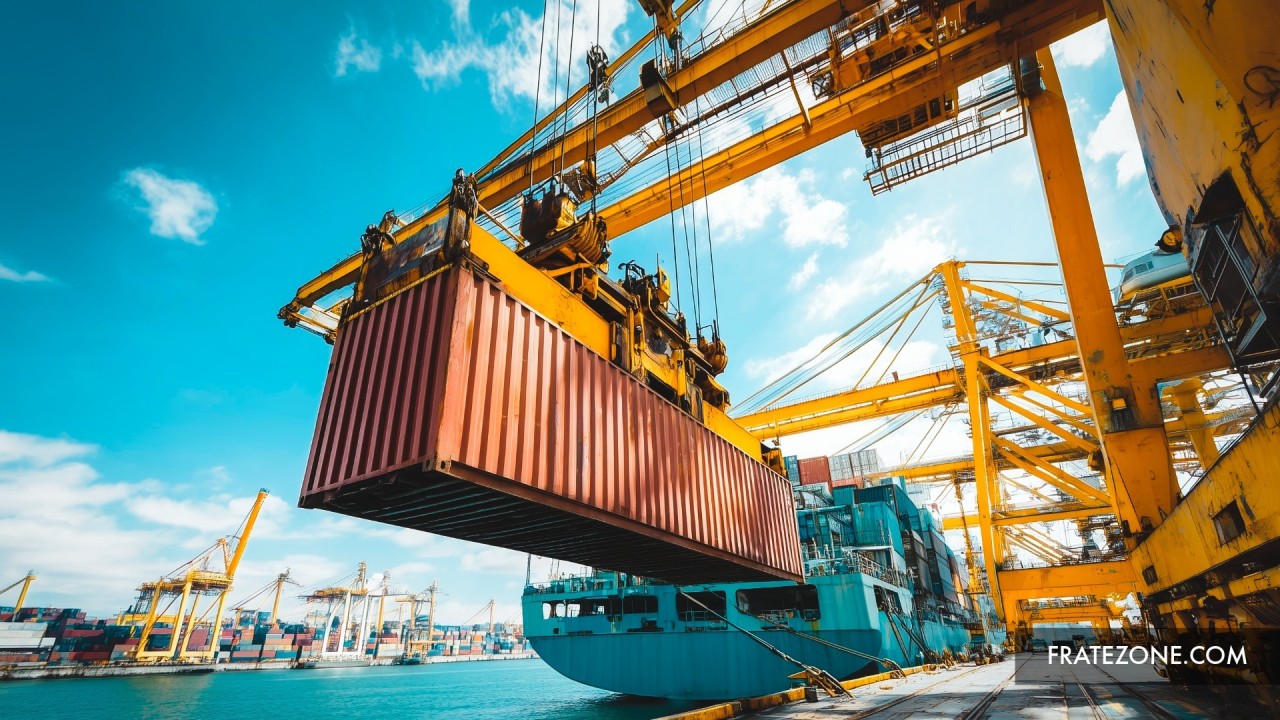
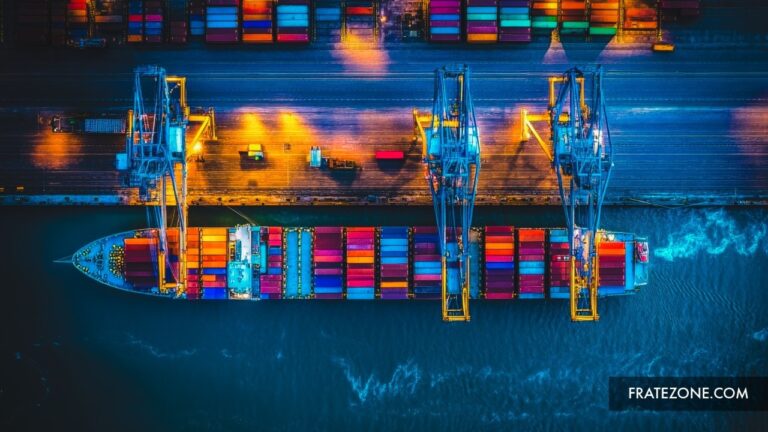
For the modern CFO or Acquisition Entrepreneur, the balance sheet is a landscape of opportunities and risks. While much attention is paid to accounts receivable and inventory on hand, a massive volume of capital often sits in a “blind spot”: Inventory-in-Transit (IIT).
Goods currently on the water or moving through terminals represent significant value, yet they are often treated as “passive” assets. Because of a lack of real-time visibility, companies are forced to apply a high risk premium to these assets, leading to inefficient capital allocation and unnecessary costs.
To manage a balance sheet effectively, you must manage the movement of your containers with the same precision you apply to your bank accounts.
The High Cost of “Safety Stock”
In an environment of logistics uncertainty, the most common defensive maneuver is the inflation of safety stock. If a Program Manager doesn’t know exactly when a critical component will arrive, they hedge by holding extra inventory at the destination.
This is a direct drain on Free Cash Flow (FCF).
- Capital Cost: Money tied up in excess safety stock is money that cannot be used for R&D, debt reduction, or strategic acquisitions.
- Carrying Costs: Warehousing, insurance, and the risk of obsolescence or damage all increase as inventory sits idle.
By moving from “estimated” arrivals to verified, real-time container visibility, organizations can confidently lower these safety buffers. When you have certainty, you don’t need a hedge.
From Passive Asset to Active Liquidity
Precise logistics data transforms how a company handles its financing. When arrival dates are verified and predictable, treasurers can optimize their cash positioning.
With audit-grade timestamps provided by Fratezone, finance teams can:
- Optimize Just-in-Time Financing: Align drawdowns on credit lines more precisely with actual inventory arrival and payment triggers.
- Improve Interest Rate Management: Reduce the duration of borrowed capital by narrowing the window between “goods shipped” and “goods sold.”
- Enhance Valuation: For entrepreneurs looking to sell or acquire, a business that can prove it manages its IIT with precision is inherently more valuable because its cash flows are more predictable.
Turning Logistics into a Financial Engine
At Fratezone, we view logistics data not as an operational byproduct, but as a strategic financial lever. Our platform was engineered on a foundation of operational deep-dive expertise, specifically to solve the P&L problems created by supply chain uncertainty.
We provide the data that allows your finance team to see through the fog of global transit. When you replace “guessing” with “knowing,” the logistics department stops being a cost center and starts being a contributor to the company’s financial health.
The time lost waiting for containers costs far more than the freight itself. Fratezone enables real-time freight predictability across 210+ ocean carriers, turning your operational visibility into strategic program control. Learn more at www.fratezone.com.